
Auburn Symphony Beginnings
It is always odd how a casual conversation can become a spark and certainly that is what happened one night after a concert in the University of Washington’s Meany Hall. As I recall, it must have been late winter/early spring 1996, because I remember being cold and bundled up walking from Meany Hall to a bar in what was the (I think called) University Hotel on the corner of 45th and University in Seattle. Stewart Kershaw and I had mutual friends, one of whom was the featured artist at the concert, so we all met there for a little celebration.
At the time, Auburn’s BRAVO! Series consisted of booking artists from a variety of locales but there were few local arts organizations. With the support of Gertie Sprenger, we hosted Seattle Opera’s Young Artists, as well as the Seattle Symphony and various touring productions. I thought it would be an asset to the community to be able to call an arts organization its own and to foster relationships between Auburn’s schools and professional musicians. Part of this came from my own love of music, but I also knew that if people did not have a broad exposure to classical music, or even popular music, and their first live experiences were poor, then getting someone to return and try it again was difficult. Sort of akin to giving someone overcooked Brussels Sprouts - if one’s first taste is horrid, who wants to take a second bite? It was this philosophy that guided me in developing Auburn’s arts programs, and gratefully the Arts Commission, and my boss, Len Chapman, thought this approach sound.
Over the course of the evening, Stewart and I got to talking about how it would be wonderful if Auburn had its own first-rate orchestra, its own symphony. I remember Stewart smiling and saying something glib like “You know, I’ve got access to a pretty darn good band.” Of course he was referring to Pacific Northwest Ballet’s superb orchestra.
Most people do not realize how musicians make a living, and this is important in order to partially understand Stewart’s and my thinking behind the creation of this orchestra. Most musicians are paid by ‘service’. This is the rate that a musician earns for a performance or a rehearsal. Most musicians piece together several gigs between playing for PNB, Seattle Opera, Seattle’s 5th Avenue Theatre, recordings, and a variety of other sources. Creating the Auburn Symphony could provide yet another avenue of work for the artists who hailed from all over the Puget Sound region, and it would give Auburn, especially Auburn’s children, an astonishingly amazing chance to regularly hear beautiful music.
We both agreed that the ASO service rate should be at par with what was standard. This could avoid any issues with musician guilds and would demonstrate good will. So, at that, we penned out a plan on the fabled cocktail napkin (I wish I knew where it was) of what rehearsals and performances would cost, how we could keep tickets affordable, and what it would cost to fill in the gap. There was the rub. The fundraising gap was formidable.
I scratched my head; told Stewart I would mull it all over and went home.
I wasn’t sure if I could get the City to commit to a large sum to support the orchestra, but I already knew what we were paying the Seattle Symphony and others to come to Auburn so I thought I could make a pretty good argument for a like amount. But, without the support of the Arts Commission and those dedicated to Auburn’s budding cultural community, the idea would be dead in the water. I called Gertie Sprenger.
Honestly, without Gertie Sprenger, Auburn’s cultural community today probably wouldn’t exist. She laid the foundation by being gracious, funny, firm, and not taking no for any answer. A no to a Gertie ask was only an invitation to having her rephrase her request. She got the Arts Commission ordinance passed in the first place. I can hear her words in my head, “But Josie, this is so important, isn’t it? How wonderful!”
Gertie loved to make people soup and tea. I adored spending afternoons with her, looking at her birds, listening to music, enjoying her always delicious soup. I took the cocktail napkin to Gertie’s for soup and tea.
She liked the idea but above all, Gertie was practical. The numbers were big and to sustain something like this would require grit and commitment that, at that time, Auburn had not yet experienced. Remember the population of Auburn in the mid-1990s was only about 30,000. But, she did not say no. She was going to chat it over with her husband, Jack, and do more thinking. She also advised me to throw the idea into the waters of some funders, such as the Corporate Council for the Arts (ArtsFund), the King County and Washington State Arts Commissions, the City, and we’d all discuss it at the next Arts Commission meeting.
The Commission gave me the blessing to move forward with the idea and I was able to convince the City to contribute what we would be paying other organizations to this baby Auburn Symphony as part of the BRAVO! Series. The Arts Commission became an umbrella for the ASO as it got its non-profit status, and I wrote grants like crazy. Gertie spearheaded local fundraising and went with me to call on major funders as we moved forward. It took about a year to get the pieces in place for the first concert in February 1997. That first concert was absolutely exhilarating! There was such an exciting buzz in the audience as well as electric energy in the musicians’ performance.
The first few years of the orchestra were a delicate balance. We were never sure if it would actually make it and at times, became precariously close to not succeeding. Funders in the greater region raised eyebrows but could not ignore glowing reviews. The community of Auburn never gave up and the musicians themselves did not give up. They created experiences for smaller audiences in chamber concerts and loved going into schools to work with young musicians. This legacy continues.
For me, now 25 years later, I am so proud of the ASO. It is a joy to see it flourish, to know that it is thriving under Music Director and Conductor Wesley Schulz and to know that it is a jewel in Auburn’s arts community. Bravo!
— Josie Emmons Turner, March 2022
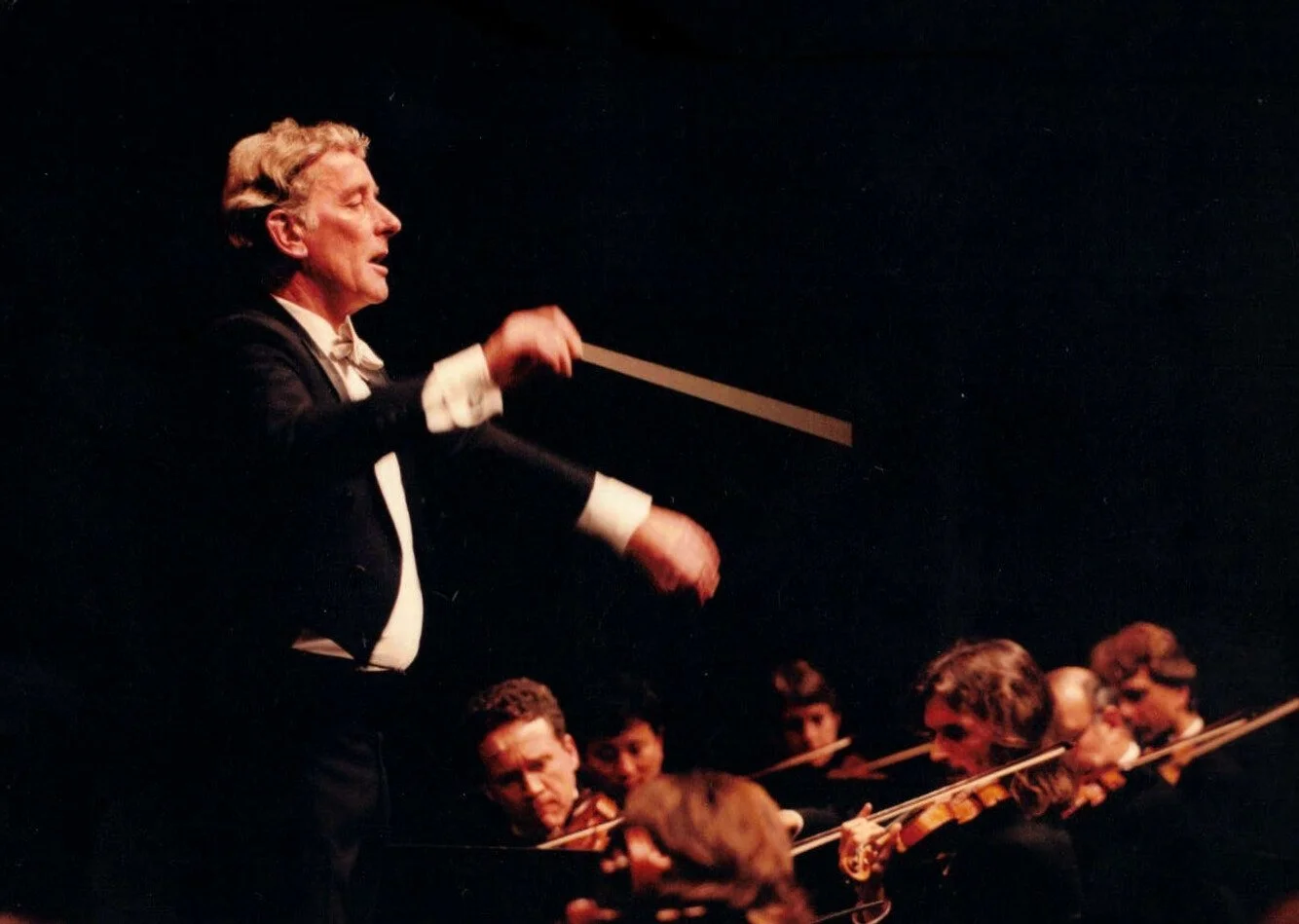
Remembering Founder Stewart Kershaw
The Auburn Symphony Orchestra mourns the passing of its founder and longtime conductor, Stewart Kershaw, whose vision, leadership, and devotion to musicians and community shaped the cultural life of Auburn and the greater Puget Sound region for decades.
The Auburn Symphony Orchestra was born from a simple conversation in the mid-1990s, one that became a spark. After a concert at the University of Washington’s Meany Hall, Stewart Kershaw and arts advocate Josie Emmons Turner imagined what it would mean for Auburn to have an orchestra of its own: a first-rate symphony rooted in the community, providing meaningful work for professional musicians and transformative musical experiences for local audiences and students.

At the time, Auburn had few resident arts organizations.
Stewart believed deeply that communities deserved not just access to touring performances, but ownership of their own artistic institutions. As the longtime Music Director of Pacific Northwest Ballet, and the creator of its internationally acclaimed orchestra, Stewart had access to extraordinary musicians and a conviction that they belonged on concert stages beyond the ballet pit.
In 1997, that vision became reality with the inaugural performance of the Auburn Symphony Orchestra. From the very beginning, Stewart insisted on professional service rates for musicians, artistic excellence, and programming that welcomed both seasoned concertgoers and first-time listeners. The result was an orchestra that quickly earned respect across the region while remaining deeply connected to Auburn’s schools, families, and civic life.
Over the years, Stewart’s influence extended far beyond the podium. Countless musicians throughout the Puget Sound region credit him with shaping their careers, expanding their artistic opportunities, and setting a standard of excellence that continues to resonate today. Many have shared that their professional paths would not have been the same without Stewart’s mentorship, advocacy, and belief in them.
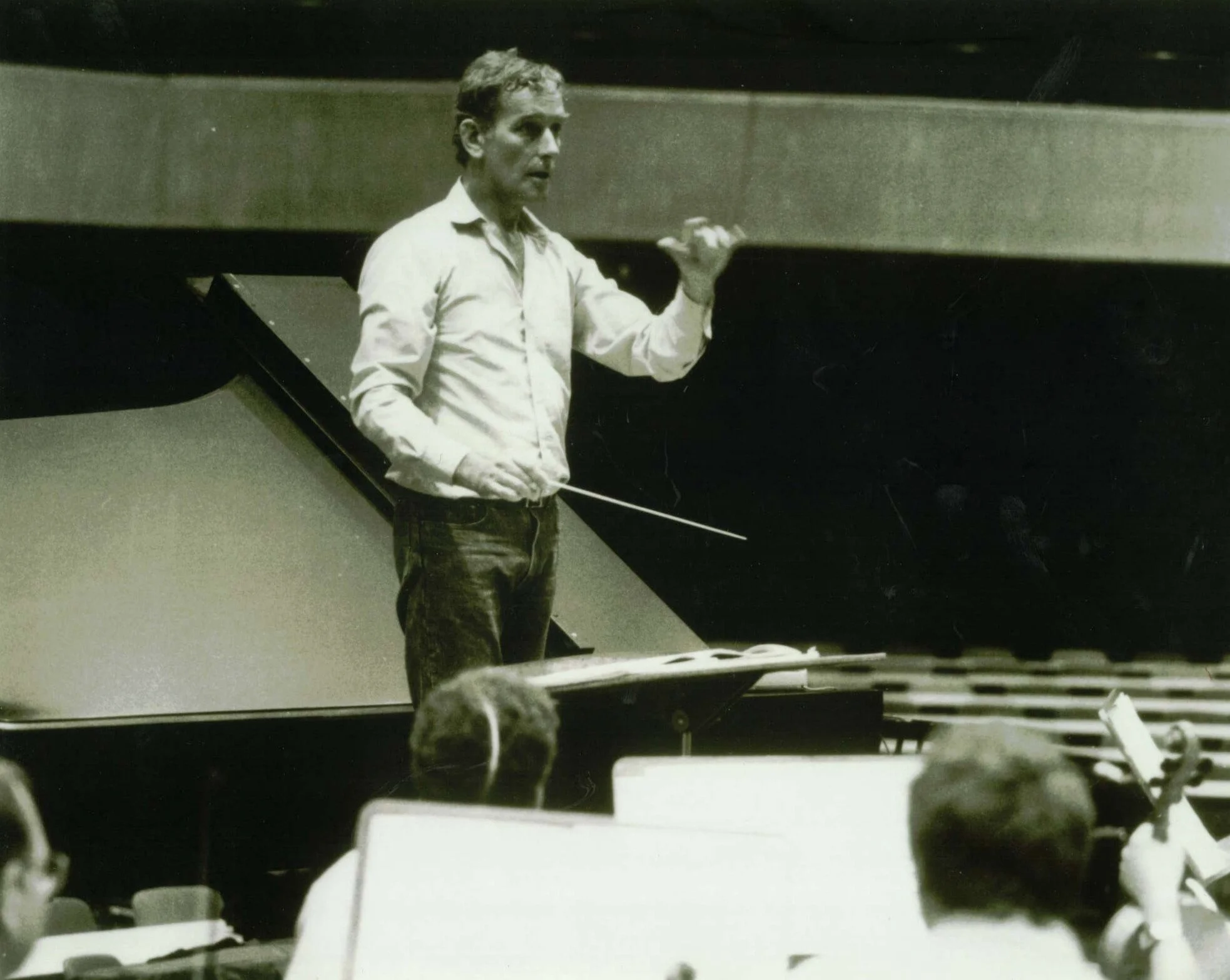
Born in Oxford, England
Stewart studied at London’s Royal Academy of Music (where he later became a Fellow) and the Conservatoire National in Paris. His international career included leadership roles with the Stuttgart Ballet, Paris Opera Ballet, and major opera houses across Europe. Yet, despite his global accomplishments, Stewart remained deeply committed to building something lasting in South King County.
Stewart continued as Music Director of the Auburn Symphony Orchestra long after his retirement from Pacific Northwest Ballet in 2009, guiding the orchestra with creative programming, encyclopedic musical knowledge, and a conducting style marked by both precision and warmth. Under his baton, the Auburn Symphony became a cultural jewel for the city.
The Auburn Symphony Orchestra will work during the coming season to determine meaningful ways to honor Stewart Kershaw’s legacy, one defined by artistic excellence, community investment, and an unwavering belief in the power of live music to change lives.
Stewart Kershaw’s impact will be felt for generations in the musicians he inspired, the audiences he moved, and the orchestra he founded.